FREEHealthy 30-Minute Meals
(Instant Download)
Sign Up for instant access to your free cookbook plus our most popular quick and healthy recipes!

When you hear "picky eater," what comes to mind? For most of us, it's a small child turning their nose up at broccoli. But in my experience, picky eaters come in all ages. I've heard from parents who struggle with it daily. I've also worked with adults who are embarrassed to go to business lunches because they're worried they won't eat anything on the menu.
Here's the thing. Picky eating isn't just a kids' problem. And if we're not careful, it's one we can accidentally make worse.
Food is about more than nourishment. It's pleasure. It brings people together. It connects us to different cultures. Picky eating can hold us back from all of that, whether you're 2 or 92.
The good news is that it's rarely permanent. With a little patience and the right approach, most people can widen what they eat a lot more than they expect.
Parents who are picky eaters often don't want their kids to follow in their footsteps. But kids pick up on everything. When adults avoid a food, kids notice. We can also push our assumptions onto them without even realizing it.
Here's a true story. I was at a family dinner and had ordered a Greek salad. My niece loves salad, so I asked if she wanted to try some. Her mom jumped in. "That's a Greek salad. You're not going to like it." My niece passed.
The next day, I had leftovers. I asked my niece again. She said yes, tried it, and loved it. Her mom wasn't around.
Kids need the chance to decide for themselves. I've seen this in nutrition education classes too. We'd try a new fruit or veggie, kids would eat it up, and then parents would find out and say "I can't believe he ate that!" I watched a boy in Baltimore try blueberries in class. When his mom came to pick him up, the teacher told her. Mom said, "Really? I didn't know he liked blueberries."
We have to give kids the opportunity to surprise us.
Adults struggle with picky eating too, and they don't get nearly as much support with it. I've worked with clients who realized they weren't actually picky. They just hadn't tried enough foods yet. Once they opened up and explored, they found a whole lot more they liked than they thought.
One client dreaded dinners with colleagues. She wasn't worried about the conversation. She was worried she'd be handed a menu with nothing on it she felt safe ordering. That's a hard thing to admit as a grown-up, and it's more common than most people realize.
What helped her wasn't willpower. It was practice. She started cooking more at home, added one new food at a time, experimented using foods she likes in different ways, and slowly built a list of dishes she genuinely liked. The strategies below are the same ones I use with adults and kids alike.
These three work at any age. You don't have to do all of them at once. Pick the one that fits your house right now and start there.
Think about the foods you enjoy. Are they sweet? Spicy? Savory? Then look for other foods with similar flavor profiles.
Like tomatoes? They're sweet. Try red bell peppers or sugar snap peas. Like broccoli? Give bok choy, cauliflower, or Brussels sprouts a shot. Into spicy food? Radishes might be your thing.
I used this approach with a client who wanted to model better eating habits for her kids. Each week, she tried one new food. After a month, she had added sweet potatoes, spaghetti squash, and strawberries to her regular rotation.
One thing to keep in mind. It can take up to 15 exposures to a new food before someone decides they actually like it. That's just how taste preferences develop. Keep offering, keep trying, and don't give up after the first (or fifth) "no."
Let kids help with shopping, meal prep, and cooking. I know it sounds chaotic, but when kids have a say, they're more likely to eat what ends up on the plate.
A few years ago, I brought a kids' market program to my farmers' market. The concept was simple. Give kids $10 to spend on any fruit or veggie they want. Parents were shocked. Kids were buying and trying all kinds of new things, even eggplant. When we give kids time and space to make their own decisions, they will often surprise you. But we have to let them try.
You don't have to be a short-order cook. Will there be pushback? Probably. But if you stay consistent, no one will go hungry and mealtimes get easier.
If you haven't read French Kids Eat Everything by Karen Le Billon, put it on your list. It's eye-opening stuff.
Here's what these strategies look like on an actual plate. Each of these recipes was developed and tested by the Health eCooks Recipe Test Kitchen, and each one gives you a specific way to practice one of the three approaches above.

A quick, protein-packed breakfast that's hard to say no to, and one kids can help make. Let them add the banana, push the button, and watch it come together. That's an easy first win for strategy two.
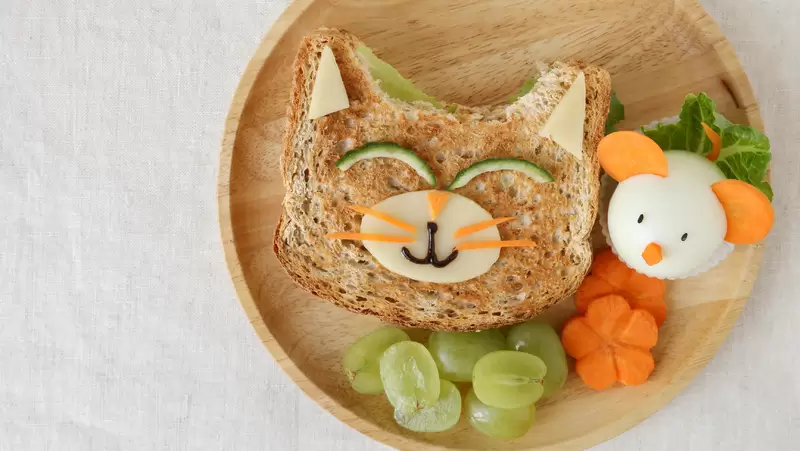
A kid-friendly twist on a classic, with a fiber boost from fresh apples. This is flavor bridging at its simplest. The gooey, melty part they already love stays exactly where it is, and the apple adds a sweet crunch that feels like a bonus instead of a change.
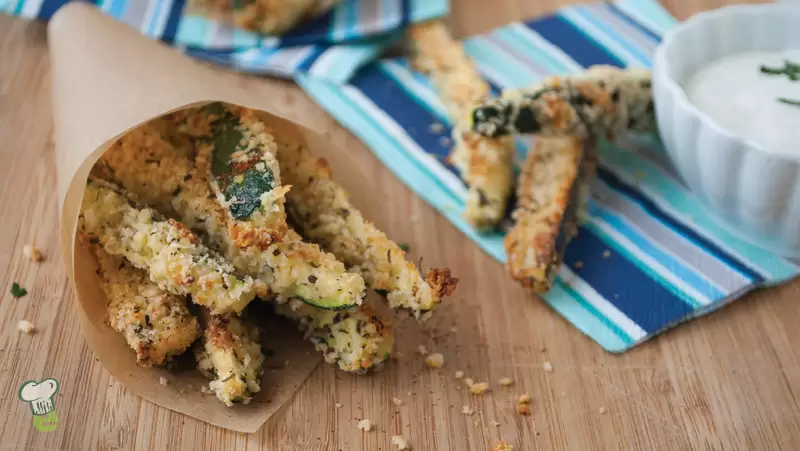
Crispy, cheesy, and a fun swap for traditional fries. If someone in your house is a french fry loyalist, start here. Same shape, same crunch, same dunking in ketchup, brand-new vegetable.

The best make-ahead treat for busy days, and one of the easiest recipes to hand over to a kid. Rolling them is genuinely fun, and kids who roll them tend to eat them.

Low and slow chicken that works for tacos, burritos, or salads. This is my favorite answer to the short-order-cook problem. You make one thing, everyone builds their own plate, and a picky eater can start with chicken and a tortilla and work up from there on their own schedule.
More than most of us do. Research suggests it can take somewhere around 8 to 15 tries before a child accepts a new food, and older kids often need more. Most parents stop after three or four. An "exposure" doesn't have to mean eating it, either. Seeing it on the table and smelling it while someone else eats it both count.
It's a useful tool, and it's not the whole plan. Blending squash into mac and cheese gets nutrition in today, but it doesn't teach anyone to like squash. I'd do both. Sneak some in, and keep serving the vegetable in a form they can see so it stops being unfamiliar.
Yes, and usually faster than they expect. Most of the adults I've worked with weren't picky so much as under-exposed. One new food a week adds up quickly, and cooking at home speeds it up because you control the seasoning, the texture, and the portion.
I don't recommend it. Serve one meal and include at least one thing you know they'll eat, so there's always a safe option on the table without you cooking twice. This is exactly why build-your-own meals work so well.
Picky eating is not a life sentence. My adult client who dreaded dinner with colleagues? Once she started cooking more and trying new foods, she realized she wasn't that picky after all. We built her staple recipes she loves and go-to items she can order confidently at any restaurant.
That's the goal. More confidence, less stress, and a wider world of food to enjoy.
If you'd like personalized help, the registered dietitians at Health eCooks create and review every recipe on this site with real families in mind.
Joni Garcia is a registered dietitian who has spent years working with picky eaters of every age, from toddlers in nutrition education classes to adults navigating restaurant menus. She runs The Rooted Kitchen Co., where she shares more of her approach to food and family meals. You can also find her on Instagram at @therootedkitchenco.
Ready to put these strategies on the table this week? Start with whichever meal is giving you the most trouble.

(Instant Download)
Sign Up for instant access to your free cookbook plus our most popular quick and healthy recipes!