FREEHealthy 30-Minute Meals
(Instant Download)
Sign Up for instant access to your free cookbook plus our most popular quick and healthy recipes!
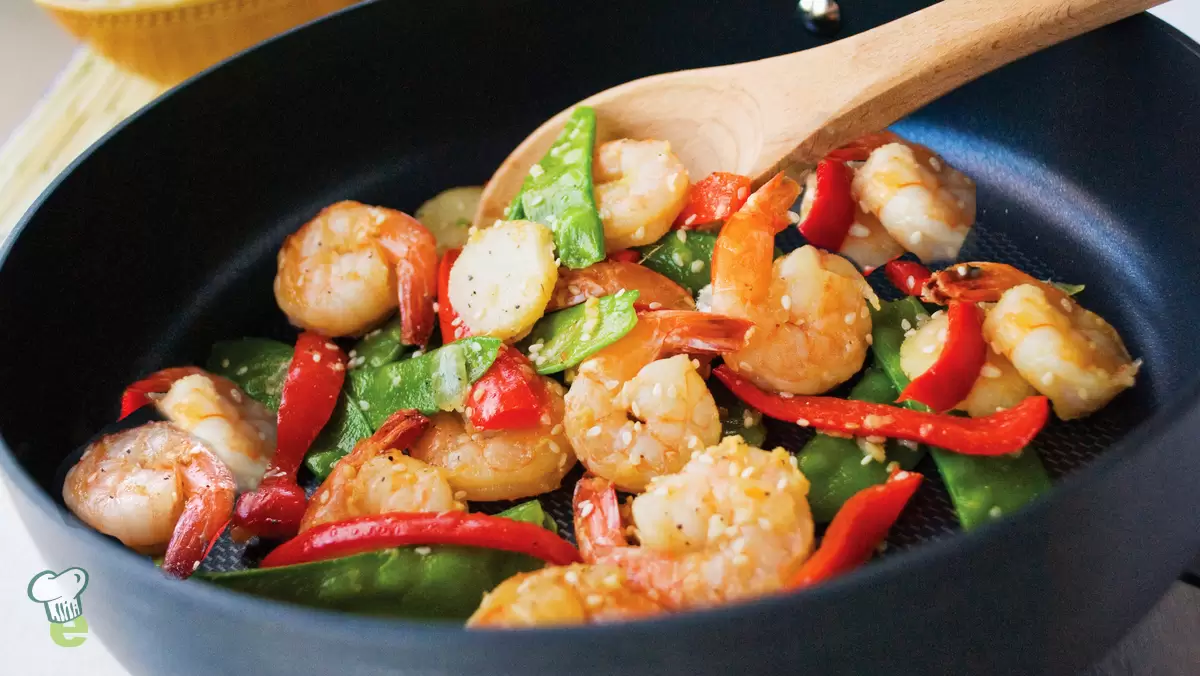
Our one-pot shrimp stir-fry recipe makes a well-balanced dinner possible in under 30 minutes. Sliced bell peppers and fresh snow peas boost the heart-healthy factor and add a tantalizingly crisp texture. By swapping out heavy, high sodium, and sugar-laden takeout sauces for a light blend of ginger, garlic, and sesame, you get all the savory Asian-inspired flavor in a healthy home-cooked meal.
This recipe focuses on lean protein and fiber-rich vegetables to create a meal that supports cardiovascular wellness. By using heart-healthy olive oil and minimizing added salt, this dish provides a low-sodium alternative to traditional stir-fry.
(Instant Download)
Sign Up for instant access to your free cookbook plus our most popular quick and healthy recipes!
While shrimp contains dietary cholesterol, it is very low in saturated fat, which researchers now suggest has a greater impact on blood cholesterol levels for most people.
Ensure your wok or skillet is very hot before adding ingredients, and don't crowd the pan. Cooking in small batches or on high heat allows the moisture to evaporate quickly.
Yes! This recipe is already low-sodium by using fresh ginger, garlic, and limited salt. To keep sodium levels low, avoid adding standard soy sauce, or use a "low-sodium" certified tamari.
Absolutely. Just ensure the shrimp are completely thawed and patted dry with a paper towel before cooking to prevent excess water from "steaming" the dish.
Yes. With lean protein, high fiber from the vegetables, and the slow-burning complex carbs in brown rice, this is a balanced choice for blood sugar management.
These easy recipes maximize flavor from savory aromatics, crisp and colorful veggies, and lean protein.
Enjoy more succulent shrimp dishes made with these tasty, low-sodium recipes.
Recipe yields 4 servings
Heat 1 tablespoon of the oil in a wok or large skillet over high heat until hot. Add the onion, garlic, ginger and red-pepper flakes and stir-fry for 10 seconds. Add the shrimp in one layer. Let cook undisturbed for 1 minute, then add the remaining 1 tablespoon of oil and stir-fry for 1 minute.
Add the snow peas, bell pepper, water chestnuts and sesame seeds and stir-fry for 2 minutes. Add the salt and sugar, sprinkling it evenly over the vegetables, and stir-fry until the shrimp are cooked through and bright pink, about 2 minutes. Remove from the heat and serve with brown rice.
Swap brown rice for quinoa, farro, or even cauliflower rice for an even lower-carb, diabetic-friendly option.
If snow peas aren't available, sugar snap peas or broccoli florets work beautifully for that signature crunch.
You can replace shrimp with thin strips of chicken breast or firm tofu, adjusting the cooking time to ensure they are cooked through.
If you don't have fresh ginger, 1/2 teaspoon of ground ginger can be used, though fresh provides a more vibrant "zing."