FREEHealthy 30-Minute Meals
(Instant Download)
Sign Up for instant access to your free cookbook plus our most popular quick and healthy recipes!
Cleaning fresh lettuce, herbs, and vegetables under cool running water has always been wise. But given the recent outbreak of diarrhea linked to the cyclospora parasite on leafy greens, you may now want to do more than simply splash water over lettuce leaves.
Certified Food Safety Educator Mike McCombe, CEC, CCE shares these easy tips on how to thoroughly clean lettuce with vinegar. This Health eCooks Test Kitchen technique will also help your lettuce stay fresh in the fridge for up to a week!
You can also use a vinegar wash like the one in this video to clean herbs, other leafy greens, and vegetables. These tips aren’t just useful for the current cyclospora outbreak; they’ll help you ensure your fresh veggies are clean and reduce your risk of food-borne illness all year round.
There are three excellent reasons to thoroughly wash your leafy greens:
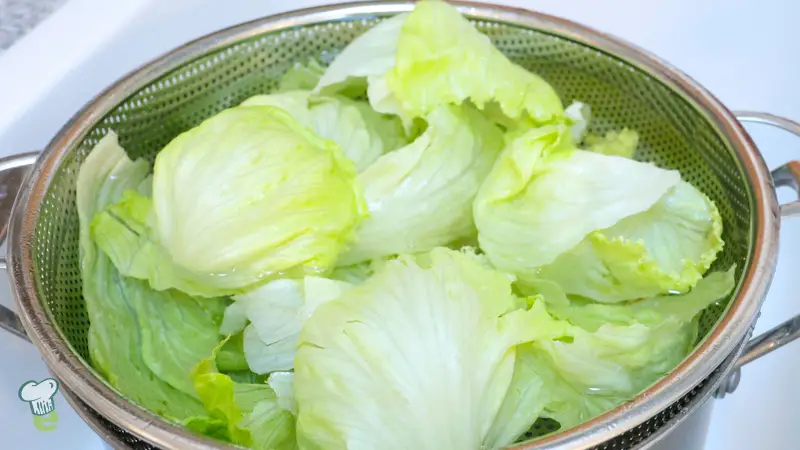
With these quick tips, it’s easy to learn how to wash lettuce with vinegar. Follow this simple method to ensure your salad or cooking greens are perfectly clean and stay fresh:
Pro Food Safety Tip: This mild vinegar dilution is great for a gentle, everyday rinse. Vinegar's natural acidity is a well-known household trick for breaking down organic residue. If you want a stronger wash (especially for non-organic produce) it’s perfectly safe to increase the mixture to a 1:3 or 1:4 ratio of vinegar to water. Just be sure to give the greens a thorough rinse with cold, fresh water afterward so the strong acidity doesn't affect the delicate flavor or crisp texture of your lettuce!
Now that you know how to wash your lettuce, greens, herbs and veggies, stir up some delicious summer salads and veggie dishes. Enjoy!
The US Department of Health and Human services says cyclosporiasis cases are expected to rise over the summer months. Symptoms such as watery diarrhea, loss of appetite, weight loss, bloating, nausea, and fatigue typically begin about a week after exposure, but can appear as quickly as two days post infection. Call your health provider if you think you may be infected.

(Instant Download)
Sign Up for instant access to your free cookbook plus our most popular quick and healthy recipes!